

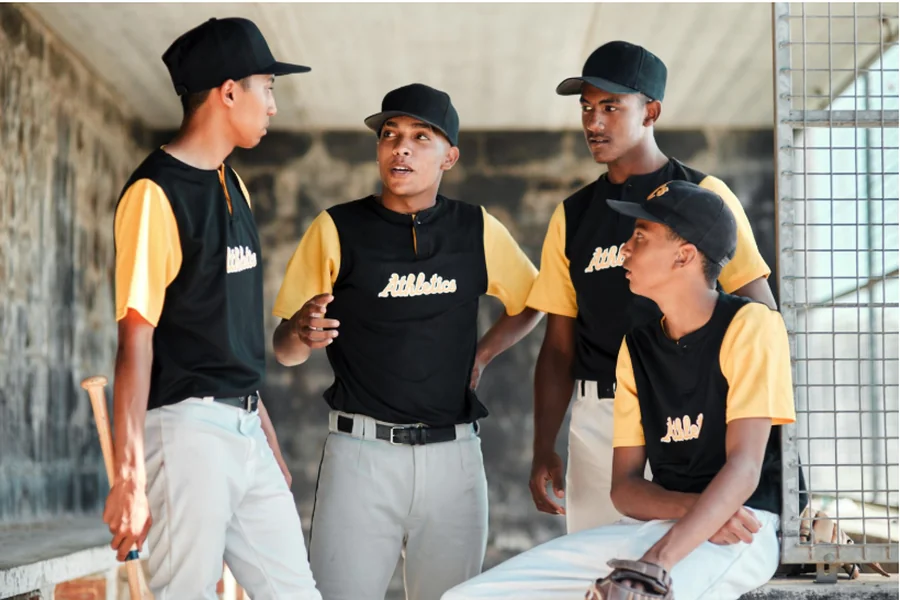
Ordering custom shirts for your team seems straightforward until you actually try to do it. Between sizing charts, artwork requirements, fabric options, and minimum orders, first-timers often feel overwhelmed before they even pick a shirt color.
This guide walks you through every step of the process so your first custom shirt order goes smoothly. An Austin custom printing company can answer specific questions, but knowing what to expect beforehand helps you make better decisions and avoid costly mistakes.
Start With the Basics
Before contacting any print shop, answer these fundamental questions about your order.
Questions to consider:
- How many shirts do you need?
- What’s the occasion or purpose?
- When do you need them?
- What’s your total budget?
- Do you have artwork ready?
Having clear answers saves time and helps printers give you accurate quotes. Vague requests lead to vague pricing and potential misunderstandings later.
Determine Your Quantity
The number of shirts you order affects everything from pricing to printing method options.
Quantity considerations:
- Most print shops have minimum orders (often 12-24 pieces)
- Per-shirt pricing drops significantly at higher quantities
- Order extras for new team members, replacements, and sizing errors
- Consider ordering 10-15% more than your headcount
Screen printing becomes more cost-effective at larger quantities because setup costs spread across more shirts. For smaller orders, heat press or direct-to-garment printing might be more economical.
Collect Sizes Early
Sizing causes more problems than any other part of custom shirt orders. People guess wrong, sizes run differently across brands, and someone always forgets to respond.
Size collection tips:
- Send size requests at least two weeks before you need to order
- Include a firm deadline with consequences
- Provide a sizing chart from the specific brand you’re ordering
- Ask people to try on a similar style shirt first
- Follow up with non-responders personally
Create a simple spreadsheet tracking who responded and their size. Send reminders to anyone who hasn’t replied as your deadline approaches.
Understand Shirt Sizing Variations
Not all mediums are created equal. Sizing varies significantly between brands and styles.
Common sizing differences:
- Gildan runs larger than Bella + Canvas
- Athletic fit shirts run slimmer than standard fit
- Women’s cuts differ from unisex sizing
- Tall sizes add length without width
- Youth sizes differ from adult small
If possible, order samples or have team members try on the actual shirt style before finalizing sizes. A medium in one brand might fit like a large in another.
Choose the Right Shirt Style
The shirt style should match how your team will wear it.
Style options:
- Basic cotton tees: Affordable, comfortable, good for casual wear
- Tri-blend tees: Softer feel, slight stretch, more flattering fit
- Performance/moisture-wicking: Best for athletic activities or outdoor events
- Polos: Professional look for customer-facing teams
- Long sleeves: Better for cooler weather or sun protection
- Hoodies/sweatshirts: Great for team spirit, cooler climates
Consider the setting. A construction crew needs durable work shirts. A tech startup might prefer soft, trendy tri-blends. A sports team needs moisture-wicking performance fabric.
Pick Your Shirt Color
Shirt color affects both the look and cost of your order.
Color selection tips:
- Darker shirts hide stains better
- Light shirts are cooler in hot weather
- Your logo colors should contrast with the shirt color
- Standard colors (black, white, navy, gray) are usually cheaper
- Specialty colors may have limited availability
If your logo has many colors, neutral shirt colors like black, white, or gray provide the cleanest background. Bright shirt colors work best with simple one or two-color logos.
Prepare Your Artwork
Artwork preparation is where many first-time orders go wrong. Print shops need specific file types to produce quality results.
Artwork requirements:
- Vector files (AI, EPS, SVG) are preferred
- Minimum 300 DPI for raster images (PNG, JPG)
- Transparent backgrounds for logos
- Separate files for each color version
- Original source files, not screenshots or low-resolution web images
If you only have a JPG from your website, ask your printer if they offer art conversion services. Many shops can recreate simple logos as vectors for an additional fee.
Understand Printing Methods
Different printing methods suit different designs and quantities.
Screen printing:
- Best for: Large orders, simple designs with few colors
- Pros: Durable, vibrant colors, cost-effective at volume
- Cons: Setup fees make small orders expensive, limited color gradients
Direct-to-garment (DTG):
- Best for: Small orders, complex multi-color designs, photographs
- Pros: No setup fees, unlimited colors, good for detailed images
- Cons: Less durable than screen printing, works best on light shirts
Heat transfer/vinyl:
- Best for: Names, numbers, small orders
- Pros: No minimums, crisp edges, good for personalization
- Cons: Can peel over time, limited to solid colors
Embroidery:
- Best for: Polos, hats, professional appearance
- Pros: Premium look, extremely durable
- Cons: Not suitable for complex designs, higher cost per piece
Your print shop can recommend the best method based on your design, quantity, and budget.
Decide on Print Placement
Where you put your design affects visibility and cost.
Common placements:
- Left chest: Professional, subtle, standard for work shirts
- Full front: Maximum visibility, great for events
- Full back: Good for teams that need identification from behind
- Sleeve: Adds interest, good for secondary logos or text
- Front and back: Most visibility but higher cost
Each print location typically adds to the cost. A simple left chest logo costs less than a full front and back design. Consider what’s most important for your team’s needs.
Get Multiple Quotes
Pricing varies significantly between print shops. Get quotes from at least three providers.
What to compare:
- Per-shirt pricing at your quantity
- Setup or screen fees
- Artwork charges
- Shipping costs and timeline
- Rush order fees if applicable
The cheapest quote isn’t always the best value. Consider turnaround time, print quality, and customer service. Ask to see samples of their work if possible.
Ask the Right Questions
When talking to print shops, get clarity on these important details.
Questions for your printer:
- What’s included in the quoted price?
- What file format do you need for artwork?
- Can I see a proof before production?
- What’s the turnaround time?
- What’s your policy on sizing errors or defects?
- Do you offer samples of the shirt before ordering?
Clear communication upfront prevents surprises later. Good print shops welcome questions and provide detailed answers.
Review Your Proof Carefully
Most print shops provide a digital proof showing how your design will look on the shirt. This is your last chance to catch errors.
Proof checklist:
- Spelling is correct
- Logo colors match your brand
- Placement looks right
- Size and proportions are appropriate
- All elements are included
Share the proof with at least one other person. Fresh eyes catch mistakes you might miss. Don’t approve the proof until you’re completely satisfied.
Plan for Delivery Time
Custom printing takes time. Don’t wait until the last minute.
Typical timelines:
- Standard orders: 2-3 weeks
- Rush orders: 1 week (often with additional fees)
- Complex orders or large quantities: 3-4 weeks
Add buffer time for potential delays, shipping issues, or reprints if something goes wrong. If you need shirts for a specific event, work backward from that date and add extra days.
Budget Appropriately
Custom shirt costs add up quickly. Plan your budget realistically.
Cost factors:
- Base shirt price (varies by brand and style)
- Number of print colors
- Number of print locations
- Setup or screen fees
- Artwork preparation
- Shipping
- Rush fees if needed
A basic single-color print on a standard tee might cost $8-12 per shirt at moderate quantities. Multi-color prints on premium shirts can reach $20-30 or more per piece.
Common First-Timer Mistakes
Learn from others’ errors to make your order go smoothly.
Mistakes to avoid:
- Ordering exact headcount with no extras
- Trusting people to know their size without a chart
- Using low-resolution artwork from a website
- Waiting until the last minute to order
- Approving proofs without careful review
- Choosing the cheapest option without considering quality
- Not confirming the shirt brand and style in writing
Place Your Order
Once you’ve done your research, collected sizes, and approved the proof, you’re ready to order.
Final order checklist:
- Quantity confirmed with extras
- All sizes documented
- Artwork approved
- Proof approved in writing
- Delivery date confirmed
- Payment terms understood
Get order confirmation in writing, including the expected delivery date and exactly what you’re receiving.
What to Do When Shirts Arrive
Inspect your order immediately upon delivery.
Receiving checklist:
- Count matches your order
- Sizes are correct
- Print quality looks good
- Colors match the proof
- No defects or misprints
Report any issues to your printer immediately. Most shops have policies for addressing problems, but you typically need to notify them within a few days of delivery.
Order Custom Shirts for Your Team With Confidence
Ordering custom shirts for your team doesn’t have to be stressful. Start early, collect sizes properly, prepare your artwork correctly, and communicate clearly with your printer. Following this first-timer’s guide helps you avoid common pitfalls and end up with shirts your whole team will be proud to wear.
Take your time on the first order. Once you’ve been through the process, future orders become much easier. Build a relationship with a printer you trust, and custom team apparel becomes a simple part of building team unity and brand recognition.
