

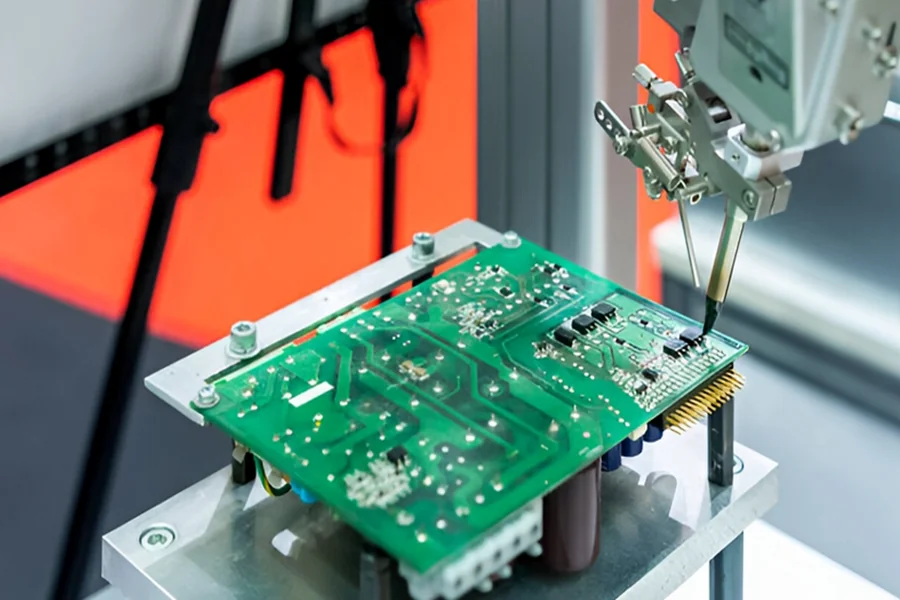
Automotive PCB assembly is a core technology behind the rapid transformation of today’s vehicles. Modern cars are no longer purely mechanical machines; they are intelligent systems driven by electronics that control safety, comfort, connectivity, and performance. From engine control units and infotainment systems to advanced driver assistance systems and electric vehicle power modules, automotive PCB assembly ensures that all electronic components function reliably in demanding automotive environments.
Unlike consumer electronics, automotive applications place extreme demands on PCB assemblies. Vehicles are exposed to constant vibration, wide temperature fluctuations, moisture, dust, and long operating lifecycles. Automotive PCB assembly must therefore meet strict quality, durability, and compliance standards to ensure consistent performance over many years of use.
Importance of Automotive PCB Assembly in Vehicle Systems
Automotive PCB assembly plays a critical role in integrating complex electronic functions into compact and efficient vehicle designs.
Supporting Safety-Critical Applications
Safety is one of the most important aspects of automotive electronics. Automotive PCB assembly is widely used in systems such as airbag controllers, anti-lock braking systems, electronic stability control, and collision avoidance technologies. Any failure in these systems can have serious consequences, which is why automotive PCB assembly focuses heavily on precision manufacturing, robust solder joints, and strict quality verification.
Enabling Advanced Vehicle Intelligence
Modern vehicles rely on multiple sensors, processors, and communication modules to support features such as adaptive cruise control, lane-keeping assistance, and autonomous driving functions. Automotive PCB assembly enables the integration of these technologies by supporting high-density circuits, reliable signal transmission, and efficient power management within limited space.
Key Requirements of Automotive PCB Assembly
Automotive PCB assembly must comply with industry-specific requirements that go beyond standard electronics manufacturing.
Thermal and Mechanical Durability
Automotive environments subject PCB assemblies to extreme heat near engines, cold temperatures in winter conditions, and constant mechanical vibration. Automotive PCB assembly is designed to withstand these stresses through careful material selection, reinforced soldering processes, and optimized board layouts that reduce mechanical fatigue over time.
Long-Term Reliability and Compliance
Vehicles are expected to operate reliably for a decade or more. Automotive PCB assembly must therefore meet long-term reliability expectations and comply with automotive quality standards. Consistency in manufacturing and thorough process control are essential to avoid premature failures and costly recalls.
Automotive PCB Assembly Manufacturing Process
The production process for automotive PCB assembly is highly controlled and optimized to meet strict performance requirements.
Precision Component Placement
Automotive PCB assembly involves placing a wide variety of components, including microcontrollers, power devices, sensors, and communication modules. Accurate placement is essential to maintain electrical performance and mechanical stability. Advanced automated systems are commonly used to ensure consistent placement accuracy across production batches.
Reliable Soldering Techniques
Solder joints are a critical factor in automotive PCB assembly reliability. Controlled soldering processes are used to create strong, uniform joints that can withstand vibration and thermal cycling. Careful process optimization helps prevent defects such as cold joints, voids, or cracks that could lead to failures in the field.
Quality Assurance in Automotive PCB Assembly
Quality control is an integral part of automotive PCB assembly due to the safety and reliability expectations of the automotive industry.
Functional and Electrical Testing
Every automotive PCB assembly undergoes detailed electrical and functional testing to verify correct operation. These tests ensure that power distribution, signal transmission, and component interactions meet design specifications before the assemblies are integrated into vehicle systems.
Environmental and Stress Testing
Automotive PCB assembly often includes stress testing that simulates real-world operating conditions. Temperature cycling, vibration testing, and humidity exposure help validate that the assembled boards can perform reliably throughout the vehicle’s lifecycle.
Applications of Automotive PCB Assembly
Automotive PCB assembly is used across a wide range of vehicle systems and technologies.
Powertrain and Energy Management Systems
Engine control units, battery management systems, and power converters rely heavily on automotive PCB assembly. These applications require precise power control and efficient thermal management to ensure optimal vehicle performance and fuel efficiency.
Infotainment and Connectivity Solutions
Modern vehicles feature advanced infotainment systems, navigation units, and vehicle-to-everything communication modules. Automotive PCB assembly supports these systems by enabling high-speed data processing and stable connectivity within compact electronic modules.
Why Choosing the Right Automotive PCB Assembly Partner Matters
Selecting an experienced automotive PCB assembly partner is essential for ensuring product reliability, scalability, and compliance with automotive standards. A capable manufacturer understands the complexities of automotive electronics and can support projects from early development through high-volume production. This expertise helps reduce manufacturing risks, improve yield, and ensure consistent quality across all production stages.
Conclusion
Automotive PCB assembly is the backbone of modern vehicle electronics, supporting safety systems, intelligent driving features, power management, and connectivity. As vehicles continue to evolve toward electrification and automation, the importance of high-quality automotive PCB assembly will only increase. Working with a trusted China one-stop PCB assembly service allows automotive manufacturers to achieve reliable production, cost efficiency, and long-term performance while meeting the stringent demands of the global automotive industry.
